Grooming
Does a Self-Cleaning Grooming Brush Really Help With Shedding?
Quick answer
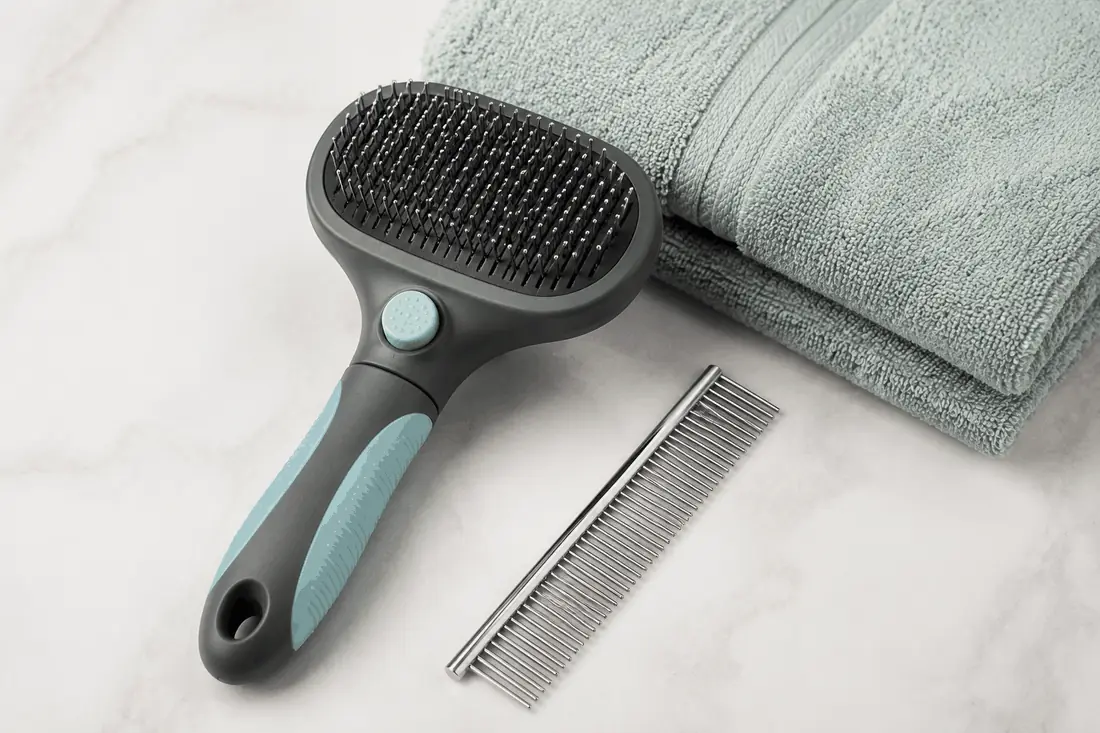
Answer: A self-cleaning grooming brush helps with shedding when it becomes a repeatable routine: brush loose fur before it lands on furniture, then release collected hair quickly from the brush. It does not stop shedding, and it should be matched to coat type, pet sensitivity, and brushing frequency.
Best for
- Routine loose-fur brushing
- Owners cleaning hair from couches and floors
- Pets that tolerate gentle at-home grooming
Comparison table
| Factor | What to check | Why it matters |
|---|---|---|
| Coat fit | Coat length, density, tangles, and skin sensitivity. | The wrong brush can pull hair or irritate the pet. |
| Comfort | Contact points, handle grip, and pressure control. | A comfortable routine matters more than one aggressive grooming session. |
| Hair release | Push-button cleaning and how easily collected hair lifts off. | Fast cleanup makes owners more likely to brush regularly. |
| Routine | Brushing before couch time, bath day, or seasonal shedding peaks. | Shedding control works through consistency, not a one-time pass. |
FAQ
Will a self-cleaning brush stop my pet from shedding?
No. It helps remove loose fur during grooming, but normal shedding continues.
How often should I brush?
It depends on coat type and shedding season. Start gently and increase frequency only if the pet stays comfortable.
Is it better than a dryer brush?
Use a regular grooming brush for loose fur and coat maintenance. Use a dryer brush when the main job is drying after baths.
Related guides and products
Topic cluster: Grooming and Shedding Control
Match grooming tools to coat type, pet tolerance, noise, airflow, and cleanup instead of guessing from product names.
Questions in this cluster
- What is the difference between a grooming brush and a dryer brush?
- What should I check before buying a pet dryer brush?
- How do I make grooming less stressful at home?