grooming
How to Dry a Dog After a Bath Without Stress
Gentle, low-stress methods to dry your dog after a bath using towels, dryers, and calm routines that help your dog feel comfortable.
Start with the Right Towel Technique
The way you use a towel sets the tone for the entire drying process. Choose a highly absorbent microfiber or cotton towel and press it firmly against the coat to soak up water, working from the neck down toward the paws. Avoid vigorous rubbing, which can cause discomfort, create tangles in longer coats, and increase anxiety. For dogs that are sensitive to touch, begin with short, gentle blotting sessions and gradually increase duration as your dog becomes more comfortable with the sensation.
Introduce a Pet Dryer Gradually
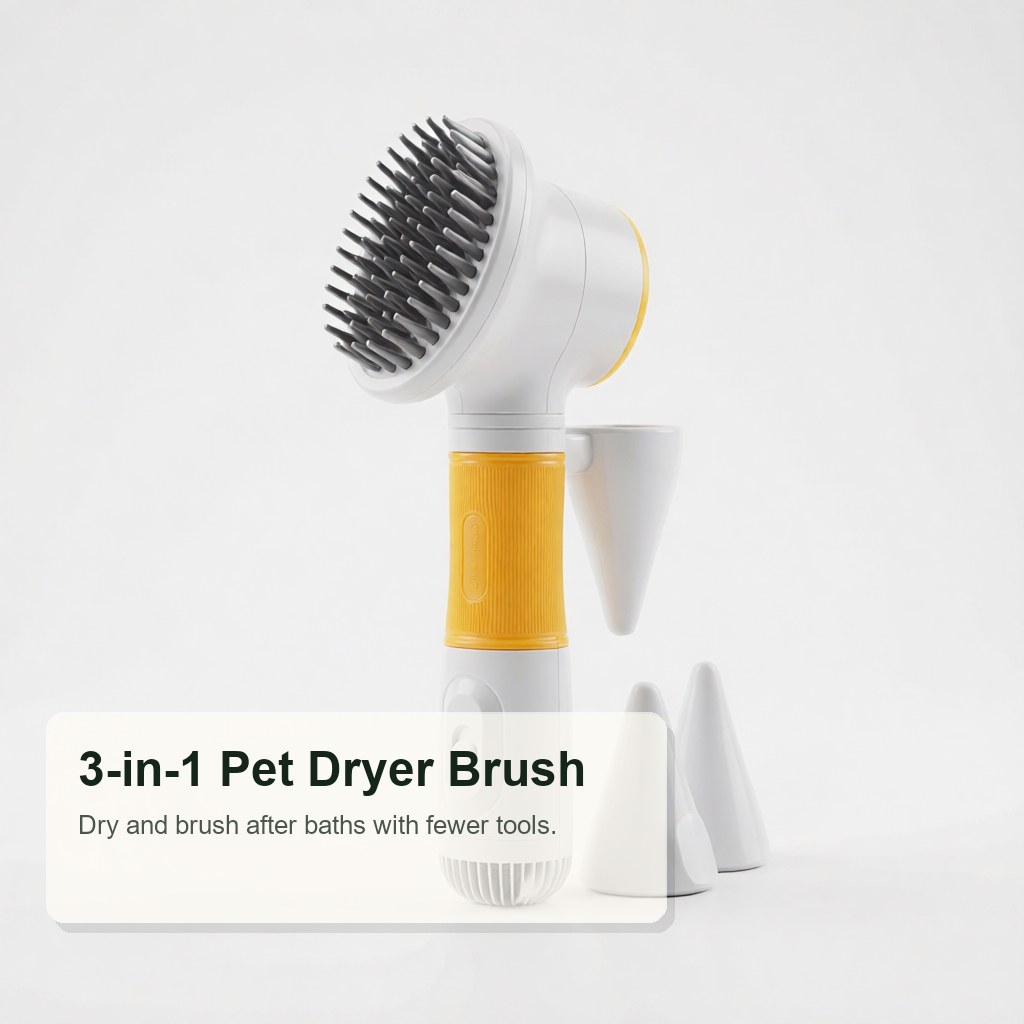
If your dog tolerates towel drying well but still needs help removing moisture from a thick or double coat, a pet-specific dryer can be a useful next step. Look for a unit that offers adjustable heat and speed settings, and always start on the lowest setting. Hold the dryer at least twelve inches from the coat and keep it moving to avoid concentrating heat on one area. Many dogs are startled by the sound of a dryer, so consider running the unit in another room first so your dog can become accustomed to the noise before it is used near them.
Create a Calm Drying Environment
A quiet, familiar space makes a meaningful difference for dogs who find grooming overwhelming. Close windows and doors to reduce outside distractions, and keep the room at a comfortable temperature so your dog does not become chilled while wet. Some owners find that soft background music or a familiar blanket in the drying area helps lower tension. Stay calm and speak in a steady, reassuring voice throughout the process, since dogs often mirror the emotional state of the person handling them.
Watch for Stress Signals and Adjust
Reading your dog's body language is essential for keeping grooming stress-free. Signs that a dog is becoming overwhelmed include pinned-back ears, tucked tail, lip licking, yawning, trembling, attempts to escape, or stiffening when touched. If you notice any of these cues, pause the drying process, offer a break, and resume only when your dog appears relaxed again. For dogs with severe anxiety around grooming, working with a professional trainer or behavior specialist who uses positive methods may be a helpful next step.
Build Positive Associations Over Time
Drying does not have to be a stressful event if you train your dog to expect something pleasant from it. Keep early sessions short so your dog ends on a positive note. Over repeated exposures, many dogs learn to associate the towel and dryer with calm, rewarding experiences rather than fear. Consistency and patience matter more than speed, and allowing your dog to set the pace will generally lead to a calmer routine in the long run.
FAQ
Can I let my dog air dry instead of using towels or a dryer?
Air drying is possible for some dogs, especially those with short coats, but it can take several hours and may leave the skin damp long enough to cause irritation or odor. In cooler or humid environments, air drying alone is less practical. Towel drying followed by gentle forced air is usually more effective and comfortable for most dogs.
What should I do if my dog is afraid of the dryer sound?
Desensitization is a commonly recommended approach. Start by playing a recording of dryer noise at a very low volume, then gradually increase the volume over multiple sessions. Once your dog is comfortable with the sound alone, introduce the actual dryer turned off nearby, then on at the lowest setting from a distance. Proceed only as fast as your dog remains relaxed.
Is it safe to use a human hair dryer on my dog?
Human hair dryers are generally not recommended for dogs. They tend to run hotter, produce louder noise, and lack the controlled airflow settings designed for animal coats. Excessive heat can easily burn a dog's thinner skin, and the noise level may increase fear. A pet-specific dryer is a safer and more comfortable option whenever possible.
How often should I dry my dog after bathing?
Drying should happen every time you bathe your dog, and the frequency of baths depends on your dog's coat type, activity level, and any guidance from your veterinarian. Most dogs do not need frequent bathing, and over-bathing can strip natural oils from the skin. A well-dried coat may also help reduce matting and skin issues between baths.