travel
Soft Carrier vs Structured Carrier for Vet Visits: How to Compare
Compare soft and structured carriers for vet visits. Learn which style fits your pet's comfort, your convenience, and your clinic's requirements.
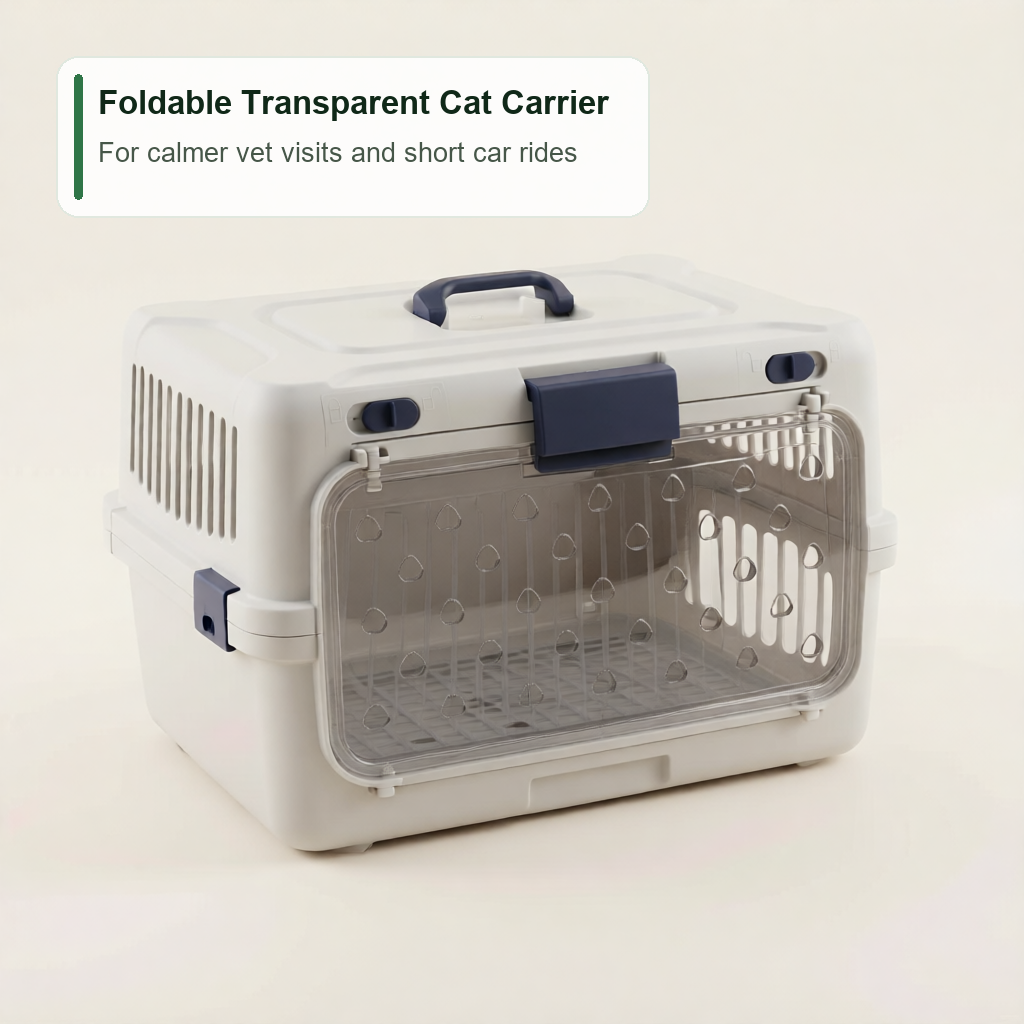
What Defines a Soft Carrier?
Soft carriers are typically made from fabric panels with flexible or collapsible frames. They fold flat for storage and are generally lighter to carry. Because they conform to surrounding spaces, they can fit under seats or in crowded waiting areas more easily. However, the flexible walls offer less rigid protection if your pet shifts or pushes against the sides during transport.
What Defines a Structured Carrier?
Structured carriers maintain a fixed shape, usually built from hard plastic, wood, or reinforced frames with fabric or mesh panels. They provide a stable, enclosed environment that does not collapse under pressure. Many veterinary clinics prefer or require this style because it offers consistent containment and is easier to sanitize between visits. They tend to be heavier and take up more storage space when not in use.
How Pet Size and Temperament Influence the Choice
Small, calm pets may feel secure in a soft carrier, especially one with padded interiors. Larger pets or those prone to anxiety and pushing against walls often do better in a structured carrier that won't deform under pressure. If your pet is a climber or tends to shift position frequently, a rigid frame gives them more reliable floor space and reduces the risk of the carrier collapsing during a walk to the exam room.
Clinic Requirements and Practical Considerations
Some veterinary offices have specific carrier policies, particularly for animals that require isolation or for carriers that need to fit on examination tables. Always call ahead to confirm what your clinic accepts. Structured carriers are more likely to meet those standards. For your own convenience, consider how you will carry the carrier, whether it fits in your vehicle, and how easy it is to clean after each visit.
Where to Find Carrier Options
Pet supply retailers and online stores carry both soft and structured carrier styles across multiple sizes. When browsing, check the manufacturer's specifications for weight limits, ventilation, and cleaning instructions. If you are unsure about a particular model, review the product details carefully or reach out to the seller before purchasing. For additional pet supply needs, you may also explore related categories such as cage accessories and enrichment items.
FAQ
Can I use a soft carrier for every vet visit?
Not necessarily. Some clinics require structured carriers, especially for larger pets or animals that need to be kept separate from others. Call your vet's office beforehand to confirm their policy before relying on a soft carrier.
Are structured carriers harder to clean?
Structured carriers often have removable trays or smooth surfaces that can be wiped down, but the materials and design vary by model. Check the manufacturer's care instructions to understand how to clean and maintain the carrier properly.
Which carrier is better for an anxious pet?
A structured carrier can provide a more stable and enclosed feeling for some anxious pets, while others may prefer the softer, more conforming walls of a fabric carrier. There is no universal answer, and your pet's individual response should guide the decision.
Do I need a carrier that meets airline standards?
Only if you plan to travel with your pet by air. Airline carrier requirements differ from standard vet visit carriers, so verify the specific rules of the airline you will be using before making a purchase.